An Introduction
This blog shall be a creative diary over the next year while I work on Leaving JHQ Rheindahlen Behind. Each week I aim to make posts outlining the creative process, from shaping the idea, through to pre-production and onto the eventual production. These posts shall include mentions of any films watched that week which have provided inspiration, any reading I’ve done that week which has proved insightful, and any updates on the project.
As this is the first entry I’ll start with some brief historical context about JHQ and my relation to it, an outline of where I currently see the project going, films which have provided some stylistic and thematic influence, and some literary references which have helped me to develop the idea to this point.

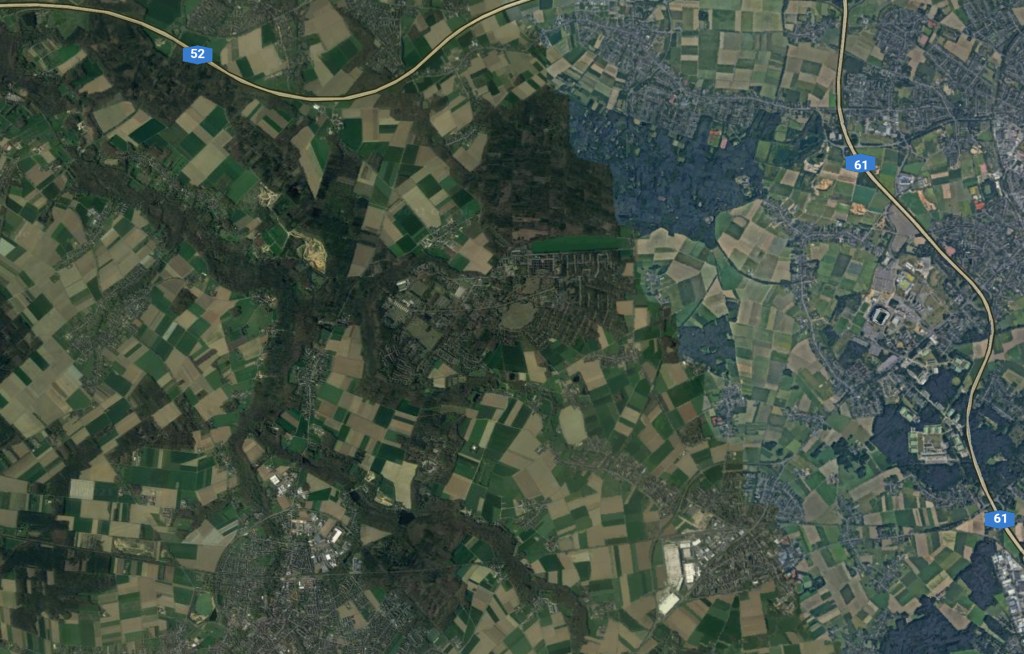
JHQ Rheindahlen
Wikipedia describes JHQ as ‘a military base in Mönchengladbach, North Rhine-Westphalia, Germany active from 1954 to 2013. It functioned as the main headquarters for British forces in Germany and for the NATO Northern Army Group. Latterly it was also known as the Rheindahlen Military Complex, part of Rheindahlen Garrison. It was named after the local village of Rheindahlen, part of the city borough of Mönchengladbach’.
It was home for me and my family from 1999 till 2012.
At it’s peak the camp was home to around 10,000, made up of roughly 2,000 buildings, ranging from houses, schools, shops, a swimming pool, cafes, medical centres, a cinema and buildings serving the military purposes of the camp. Since the camps closure in 2013 these have largely all been left to return back to nature. A section of the camp, reportedly the former ‘Big House’, the administrative headquarters of the camp, has been used to temporarily house refugees, but aside from this it has remained a ghost town, visited only by the occasional former resident hoping the fence and the security who try to stop them.

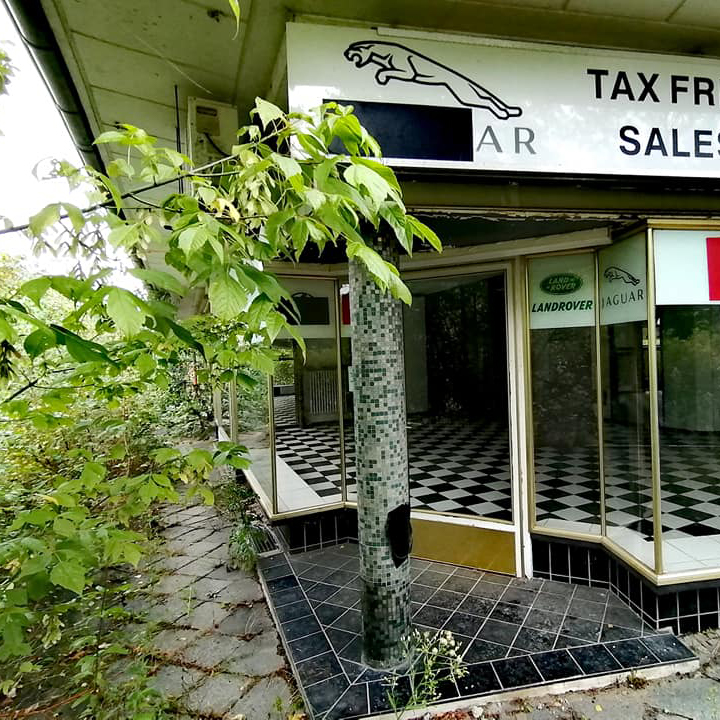
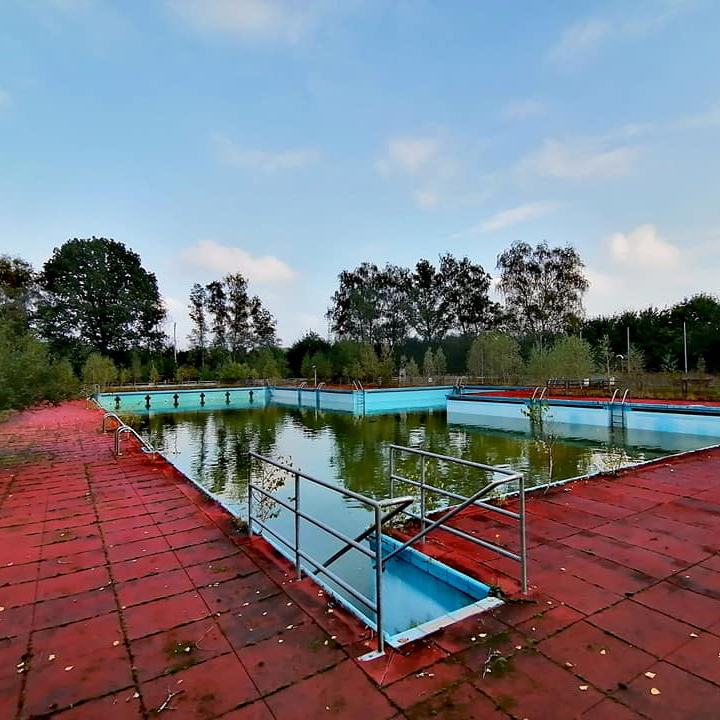
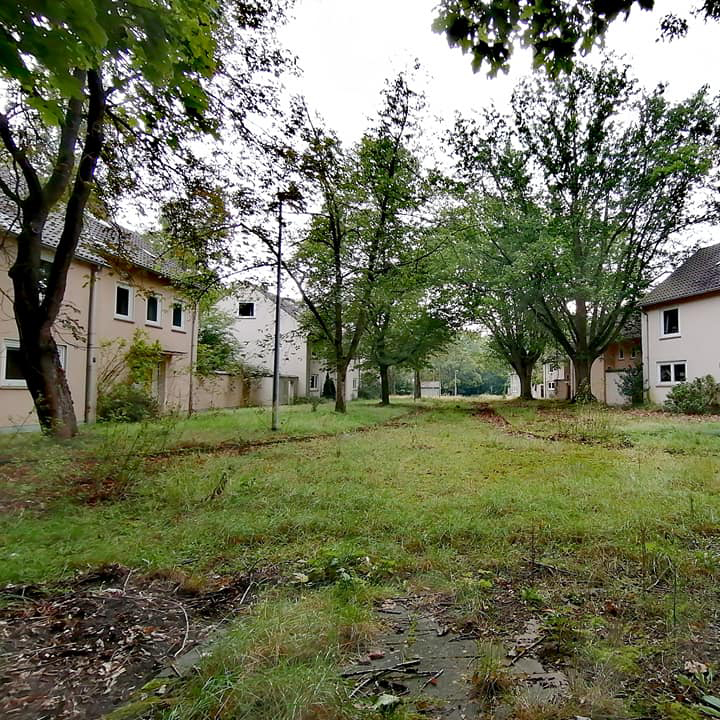
Current Ideas for The Film
At this early stage in the project I am still unsure as to exactly what form the final project will take. I can see it going down the path of a short, experimental documentary film, something of a logical next step from the 2-5 minute shorts I have previously made, but I am also excited to try and push the work into other directions and see what form it takes.
I am currently experimenting with some of my families home-videos from our time in JHQ, as I feel this archive footage will prove useful in setting the tone of the film, and providing the audience with the context needed to get the full impact of the current conditions of the camp.

Inspiration and Influence
A selection of films which have helped to lay a groundwork for my ideas surrounding Leaving JHQ Rheindahlen Behind. Some for their thematic similarities – touching on themes of abandonment and places without people – and others which have provided more stylistic influence for the current version of the film which exists in my head.

News From Home – Chantal Akerman (1976)
https://letterboxd.com/film/news-from-home/
News From Home was a massive inspiration to my initial concept of what Leaving JHQ Rheindahlen Behind would look like; Akerman’s largely wide, static, and observational shots of 60’s-70’s New York paired with the poetic and emotional narration from the letters her mother sent to her seemed like a perfect blueprint to follow.
I Know Where I’m Going – Ben Rivers (2009)
https://letterboxd.com/film/i-know-where-im-going-2009/
Ben Rivers’ 2009 I Know Where I’m Going, a road trip through the wildernesses of a Britain which appears to be largely devoid of human life, manages to explore the themes of a world without humans in a way which feels as much like a documentary as it does a work of fiction.
La Soufrière – Werner Herzog (1977)
https://letterboxd.com/film/la-soufriere/
Herzog’s do-or-die approach to his films, be it documentary or fiction, both terrifies and inspires me. The Cinéma-vérité-esque approach he takes, where by his and the camera’s presence is always made expressly clear to the audience, is an interesting way to connect the story of the imminent eruption of the volcano back to him and his crew. They are not simply there to observe but are tied in with the story.
As well as films and shorts, I am also trying to find inspiration in other mediums, including photography projects and literature.

The Grapes of Wrath – John Steinbeck (1939)
Steinbeck’s 1939 classic The Grapes of Wrath contains several sections related to themes and areas I wish to explore in my work; Chapter 11, for example, contains a poetic description of what happens to a house when it is no longer a home. And how nature begins to reclaim it.
Go Home Polish – Michal Iwanowski (2019)
The photography project, and short film which accompanies the project, Go Home Polish documents the 1900 km journey, on foot, which photographer Michal Iwanowski took from Cardiff to Mokrzeszów. Over the 105 days he made work which explored people’s concepts of home. I am particularly interested in the way in which Iwanowski involves himself in these images. As working out how to place myself in Leaving JHQ Rheindahlen Behind is something I am currently considering.
 Conor McBride